
How Much Hail Does It Take to Damage a Roof?
After the March 10, 2026 storm, many homeowners in South Abilene, Buffalo Gap, Tuscola, Breckenridge, and Potosi are asking the same question: “How much hail does it take to actually damage a roof?”
At Bunton Roofing, we have inspected dozens of roofs across the Big Country following this storm. Here is what we have learned from our years of experience.
Real-World Observations from the March 10 Storm
We received reports of golf ball and even baseball-sized hail in some areas. However, most roofs experienced nickel and quarter-sized hail. Photos that homeowners share often highlight only the largest stones, but the reality is that damage depends on the number of strikes and the age of the roof, not just the size of the hail.
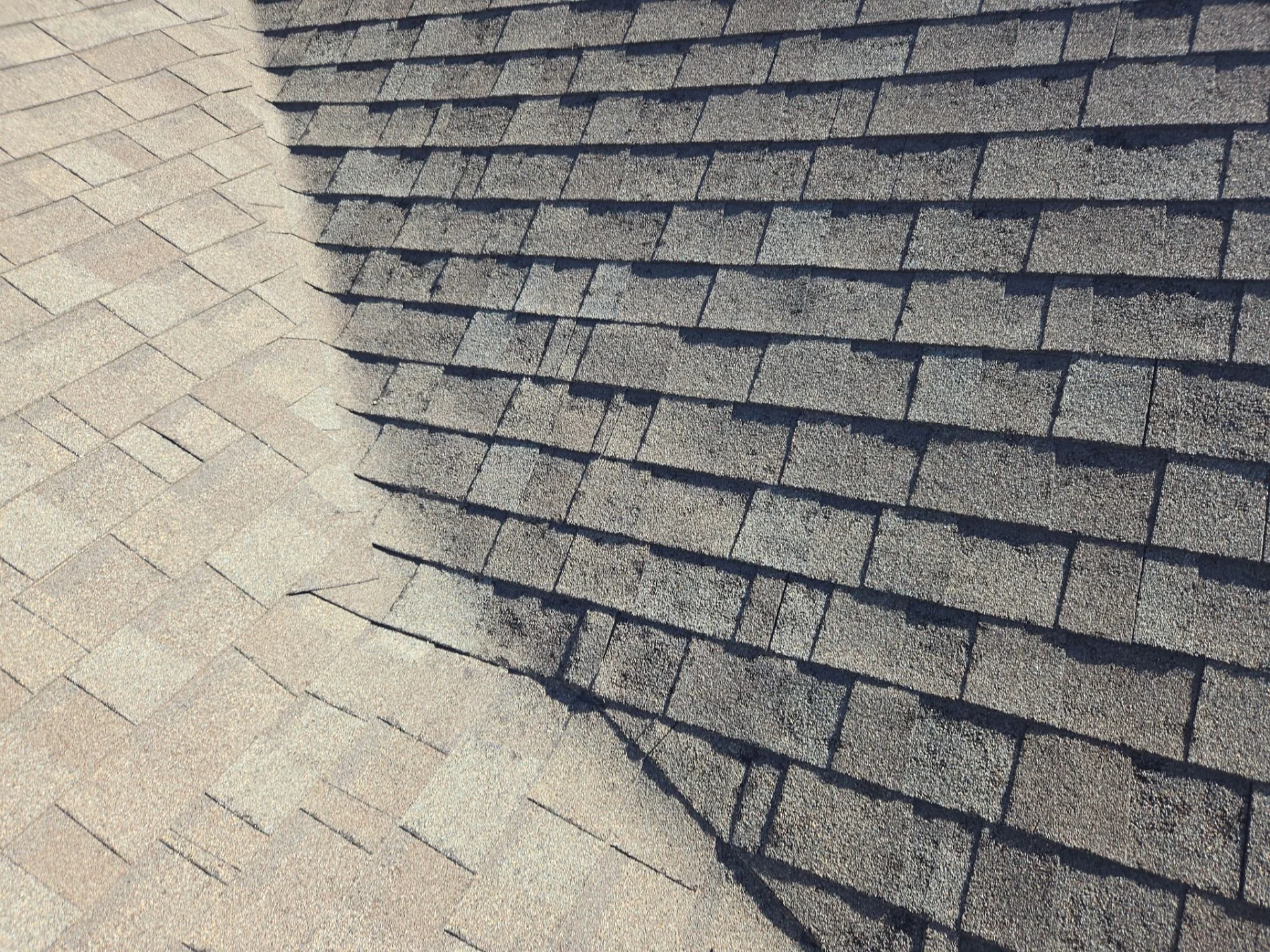
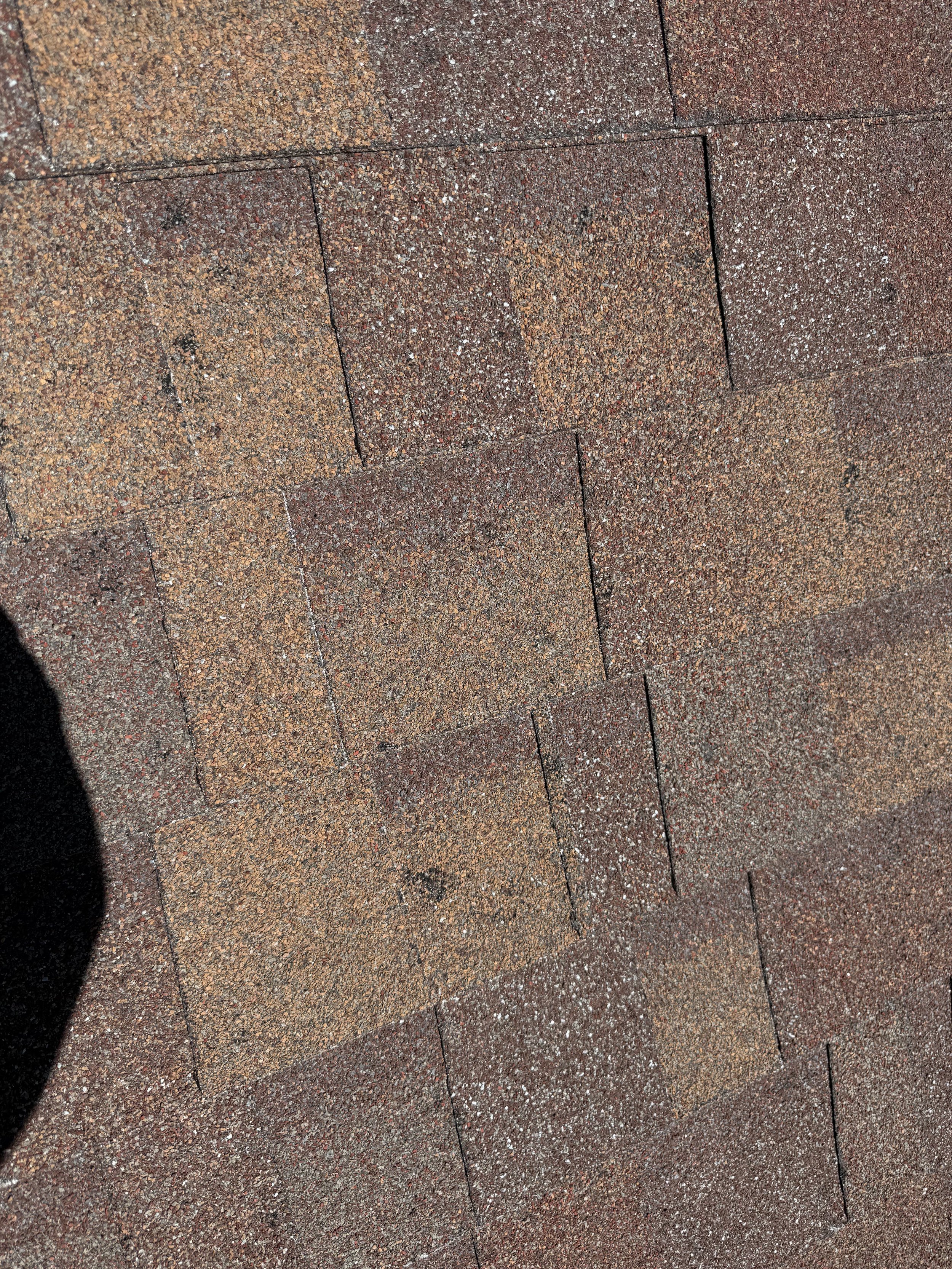
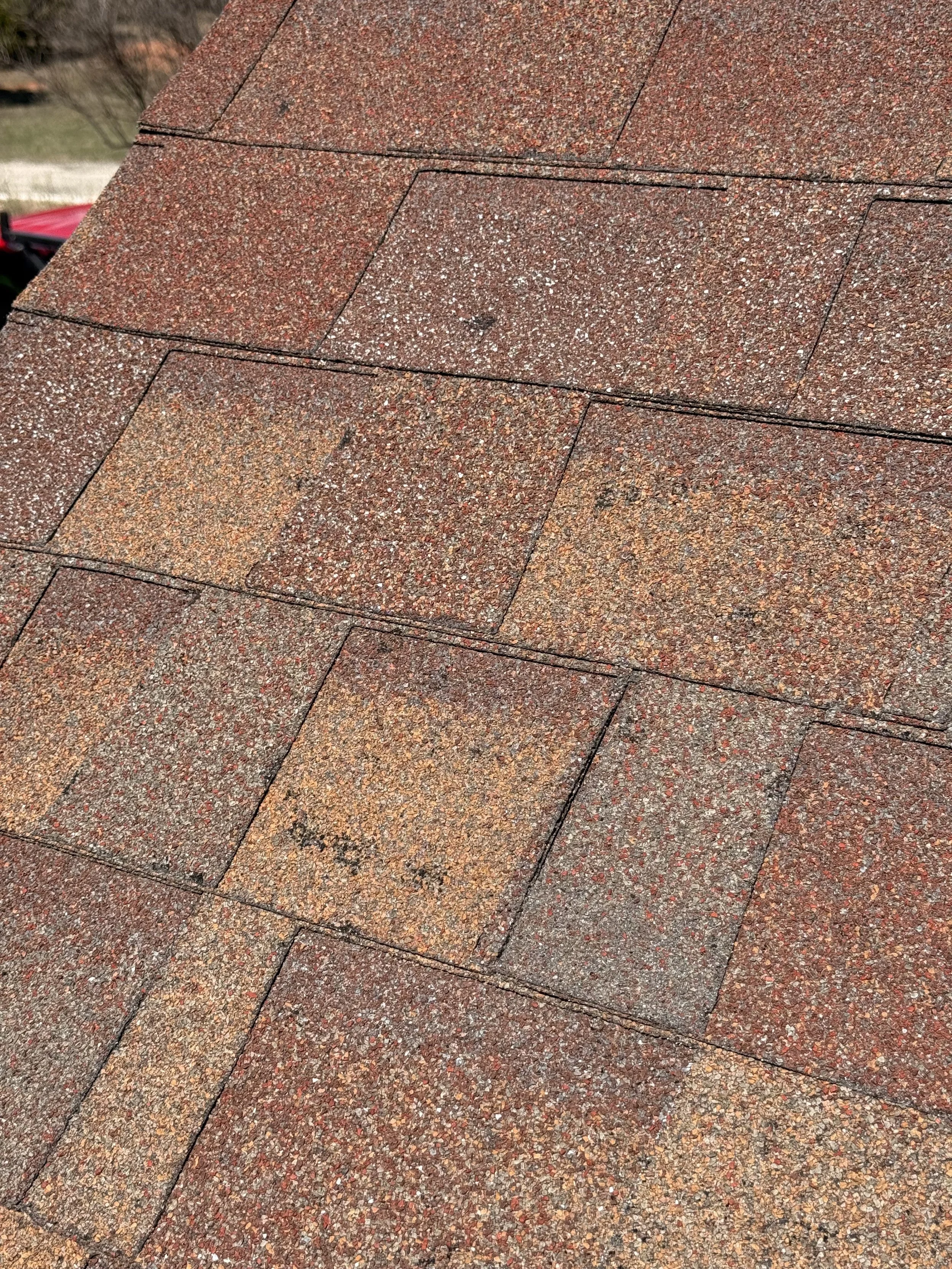
For example:
Roofs 10 to 14 years old had enough hail bruising to justify an insurance claim.
Roofs 7 to 10 years old showed marginal damage, sometimes enough to file a claim.
Roofs under 7 years old typically showed minimal signs of damage.
Insurance adjusters generally look for 8 to 10 hail bruises in a 10 foot by 10 foot square area on multiple plains of the roof to justify a claim.
Misconceptions About Hail Damage
Many homeowners believe:
Big hail automatically totals a roof
No visible leaks means no damage
Insurance will automatically replace the roof quickly
Our advice is not to rush to file a claim. You often have up to a year from the date of loss, which was March 10, 2026, to submit a claim. Waiting may protect you from having to replace a roof twice if another storm hits.
Case Study: Age Matters
During our inspections, a 14-year-old roof with original laminate shingles had severe damage, while neighboring homes with Class 4 impact-resistant shingles under 10 years old were mostly fine. Homeowners with roofs over 10 years should also be careful when filing claims. Insurance may deny replacement if the roof is too old, leaving homeowners responsible for bringing it up to an insurable state.
Step-by-Step Recommendations After a Hailstorm
Call a qualified roofer, like Bunton Roofing, before your insurance company. We provide a detailed inspection report.
Review your insurance policy, paying attention to your deductible and coverage type. Many policies now have a 2 percent deductible for hail and wind.
Understand your claim timeline. You typically have up to a year to file, and you do not need to replace the roof immediately.
Wait until after storm season for replacement if a claim is approved. In our area, peak storm months are May, June, and September.
Consider Class 4 impact-resistant shingles for new roofs. They are tougher, and many homeowners save 18 to 20 percent on their insurance premiums. Bunton Roofing offers these as a free upgrade.
Final Thoughts from Bunton Roofing
Most homeowners do not realize how much hail is required to justify a claim. Out-of-town hail-chasing roofers often cause unnecessary concern. Protect your home by getting an inspection first, understanding your insurance policy, and making informed decisions. We do not cover deductibles, but we can help you navigate financing if needed.
FAQ Section
Q: Does every hailstorm damage roofs?
A: No. Damage depends on hail size, number of strikes, roof age, and roof type. Many storms have mostly small hail that may not justify a claim.
Q: How do insurance adjusters determine hail damage?
A: Adjusters generally look for 8 to 10 hail bruises in a 10 foot by 10 foot square area on multiple plains of the roof. They assess the overall condition and age of the roof.
Q: What size hail is most likely to cause damage?
A: Hail the size of quarters or larger can cause damage, especially on older roofs. Golf ball or larger hail is more likely to qualify for a claim, but distribution matters as well.
Q: Are newer roofs less likely to be damaged?
A: Yes. Roofs under 7 years old or those with Class 4 impact-resistant shingles often show minimal damage from hail that would damage older laminate shingles.
Q: Should I file an insurance claim immediately after a storm?
A: Not always. You typically have up to a year to file a claim. Call a qualified roofer first for an inspection and understand your policy and deductible before making decisions.